How To Use Wellrotted Manure To Boost Your Garden
Manure is a natural fertilizer that has been used by gardeners for centuries. It is rich in nutrients that plants need to grow healthy and strong. Well-rotted manure is the best type to use in the garden, as it has lost most of its ammonia and other harmful compounds.
There are many benefits to using well-rotted manure in your garden. It can:
- Improve soil structure and drainage
- Add nutrients to the soil
- Increase water retention
- Promote plant growth
- Relieve compaction
- Attract beneficial insects and earthworms
To use well-rotted manure in your garden, you can:
- Add it to the soil when you are planting or transplanting
- Mix it into the soil at the beginning of the growing season
- Apply it as a topdressing around plants
- Use it as a mulch around plants
The best time to apply well-rotted manure is in the fall or early spring. This gives the manure time to break down before the growing season starts.
When applying well-rotted manure, it is important to follow the directions on the bag or from your local nursery. You should also avoid applying too much manure, as this can burn your plants.
Here are some additional tips for using well-rotted manure in your garden:
- Choose a type of manure that is appropriate for the plants you are growing. For example, chicken manure is high in nitrogen, so it is a good choice for leafy greens. Horse manure is high in phosphorus, so it is a good choice for flowering plants.
- If you are using fresh manure, it is important to compost it first. This will help to kill any harmful bacteria or parasites.
- Be sure to water the manure well after you apply it. This will help it to break down and release its nutrients into the soil.
- Mulch around plants with well-rotted manure to help retain moisture and suppress weeds.
With a little care and attention, you can use well-rotted manure to boost your garden and help your plants grow healthy and strong.
Well rotted manure is a great way to improve the quality of your soil and boost plant growth. It is a natural source of nutrients, such as nitrogen, phosphorus, and potassium, that plants need to thrive. Well rotted manure also helps to improve the drainage and aeration of soil, making it easier for plants to take up water and nutrients.
If you are looking for more information about well rotted manure, please visit Home Gardening. This website has a wealth of information on the topic, including how to identify well rotted manure, how to use it in your garden, and where to find it.
FAQ of well rotted manure
What is well rotted manure?
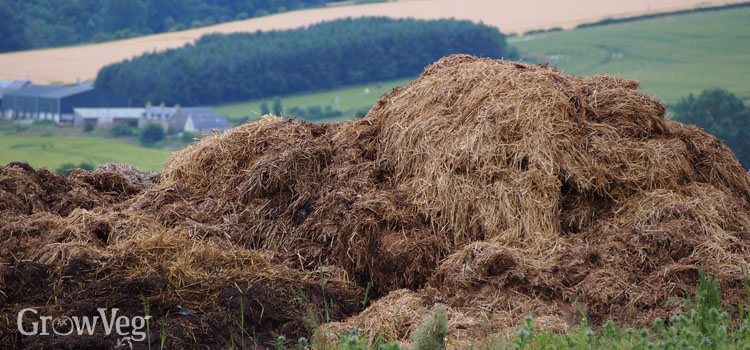
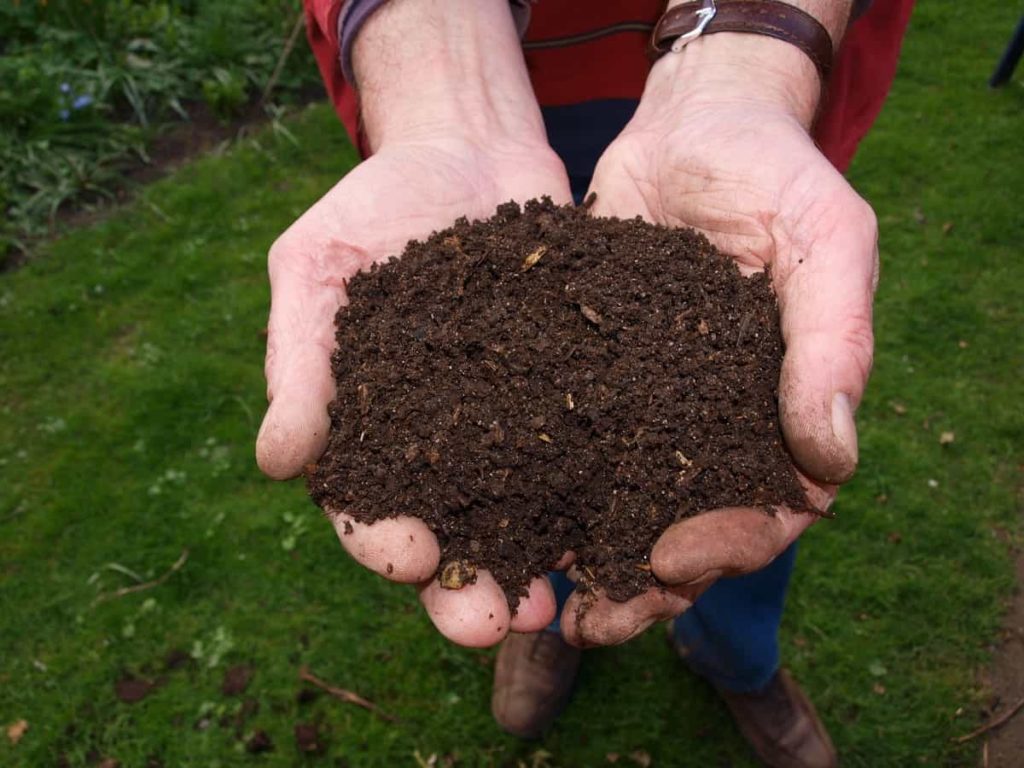
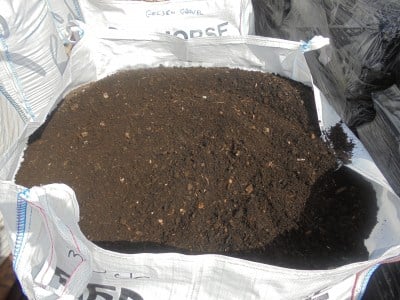
Well rotted manure is manure that has been composted for an extended period of time, typically several months or even years. During this time, the organic material in the manure breaks down and the nutrients become more available to plants. Well rotted manure is dark brown or black in color, has a crumbly texture, and has no strong odor.
What are the benefits of using well rotted manure?
Well rotted manure is a valuable soil amendment that can provide a number of benefits for plants, including:
- Increased nutrient availability: Well rotted manure contains a variety of nutrients that are essential for plant growth, including nitrogen, phosphorus, potassium, and calcium.
- Improved soil structure: Well rotted manure helps to improve the structure of soil by adding organic matter. This can make the soil more loose and airy, which allows water and air to move more freely through the soil.
- Increased water retention: Well rotted manure helps to improve the water retention capacity of soil. This can help to prevent plants from drying out during periods of drought.
- Reduced erosion: Well rotted manure helps to bind soil particles together, which can help to reduce erosion.
- Increased resistance to pests and diseases: Well rotted manure can help to increase the resistance of plants to pests and diseases.
How do I know if manure is well rotted?
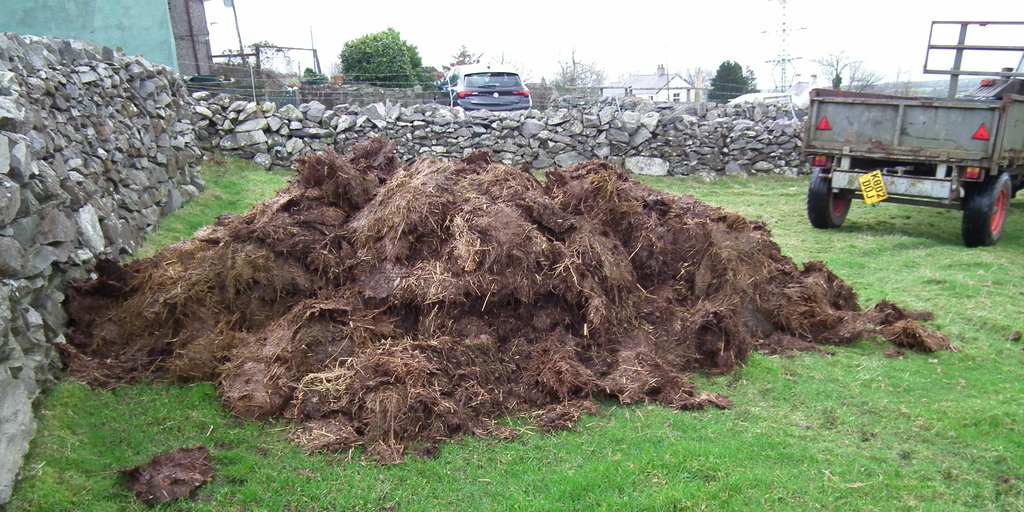
Well rotted manure is dark brown or black in color, has a crumbly texture, and has no strong odor. If manure is still fresh, it will be lighter in color, have a more lumpy texture, and have a strong odor.
How do I use well rotted manure?
Well rotted manure can be used in a variety of ways, including:
- Adding it to the soil as a fertilizer
- Mixing it with compost
- Using it as a mulch
- Making a liquid fertilizer
When using well rotted manure, it is important to follow the directions on the label. Manure can be high in salt content, so it is important to use it in moderation, especially on plants that are sensitive to salt.
Where can I find well rotted manure?
Well rotted manure can be found at some garden centers, nurseries, and farm supply stores. You can also find it from local farmers or composting businesses.
Is well rotted manure safe to use?
Well rotted manure is generally safe to use, but it is important to note that it can still contain bacteria and parasites. It is important to wash your hands thoroughly after handling manure and to avoid getting it in your eyes. If you are concerned about the safety of using manure, you can pasteurize it by heating it to 160 degrees Fahrenheit for 30 minutes.
Image of well rotted manure
10 different images of well rotted manure that are free to use:
- Cow manure: This is a classic type of manure that is often used in gardens. Well-rotted cow manure is dark brown or black in color and has a crumbly texture.
- Horse manure: Horse manure is another popular type of manure that is high in nutrients. Well-rotted horse manure is dark brown or black in color and has a crumbly texture similar to cow manure.

- Pig manure: Pig manure is a high-nitrogen manure that is often used to fertilize lawns and gardens. Well-rotted pig manure is dark brown or black in color and has a crumbly texture.
- Chicken manure: Chicken manure is a high-nitrogen manure that is also high in phosphorus. Well-rotted chicken manure is dark brown or black in color and has a crumbly texture.

- Rabbit manure: Rabbit manure is a low-odor manure that is high in nitrogen and phosphorus. Well-rotted rabbit manure is dark brown or black in color and has a crumbly texture.

- Goat manure: Goat manure is a high-nitrogen manure that is also high in potassium. Well-rotted goat manure is dark brown or black in color and has a crumbly texture.
- Alpaca manure: Alpaca manure is a high-nitrogen manure that is also high in phosphorus and potassium. Well-rotted alpaca manure is dark brown or black in color and has a crumbly texture.
- Equine manure: Equine manure is a high-nitrogen manure that is also high in phosphorus and potassium. Well-rotted equine manure is dark brown or black in color and has a crumbly texture.
- Sheep manure: Sheep manure is a high-nitrogen manure that is also high in phosphorus and potassium. Well-rotted sheep manure is dark brown or black in color and has a crumbly texture.
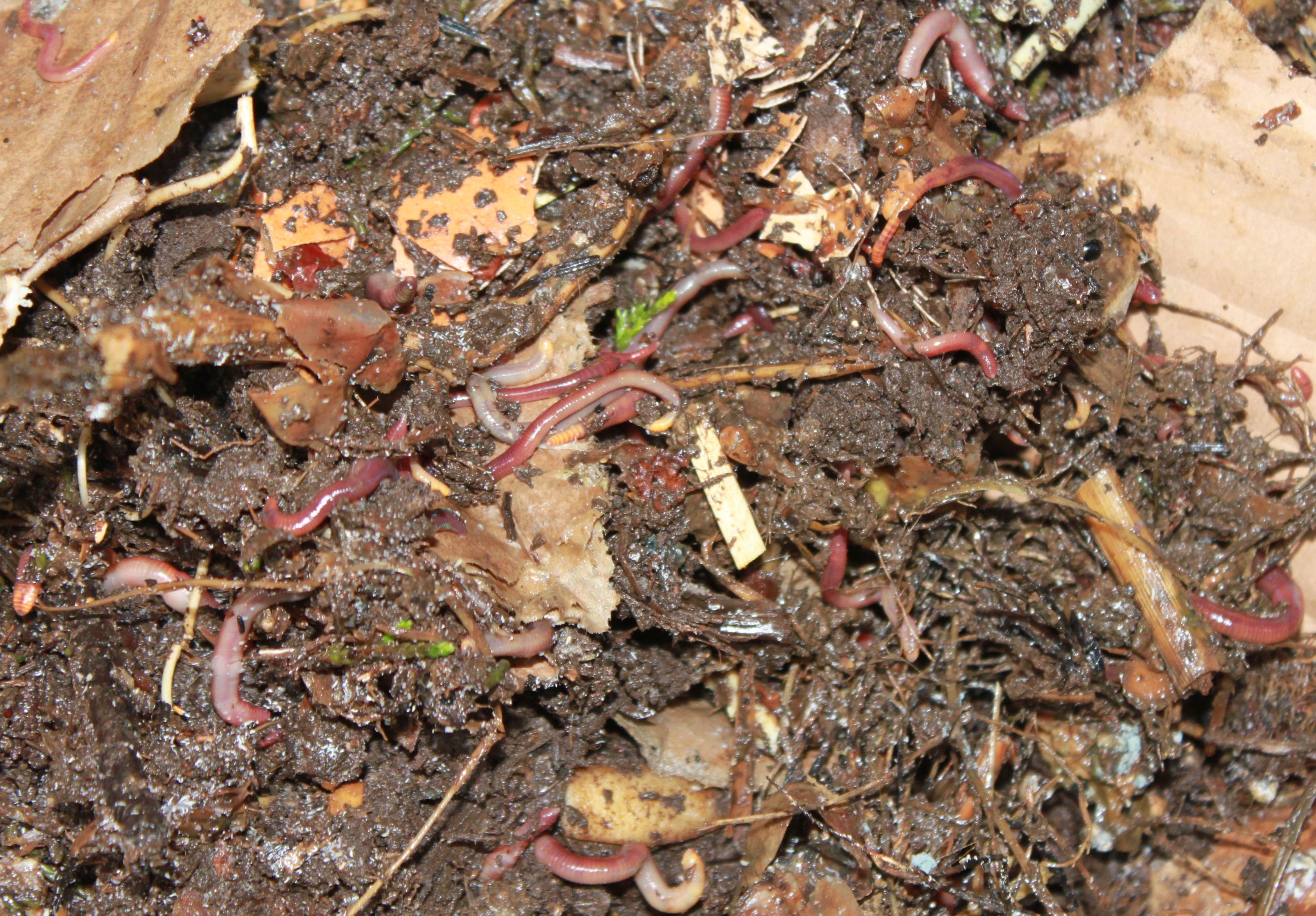
- Vermicompost: Vermicompost is a type of manure that is produced by worms. It is a dark brown or black in color and has a crumbly texture. Vermicompost is high in nutrients and is often used to fertilize gardens.


Post a Comment for "How To Use Wellrotted Manure To Boost Your Garden"